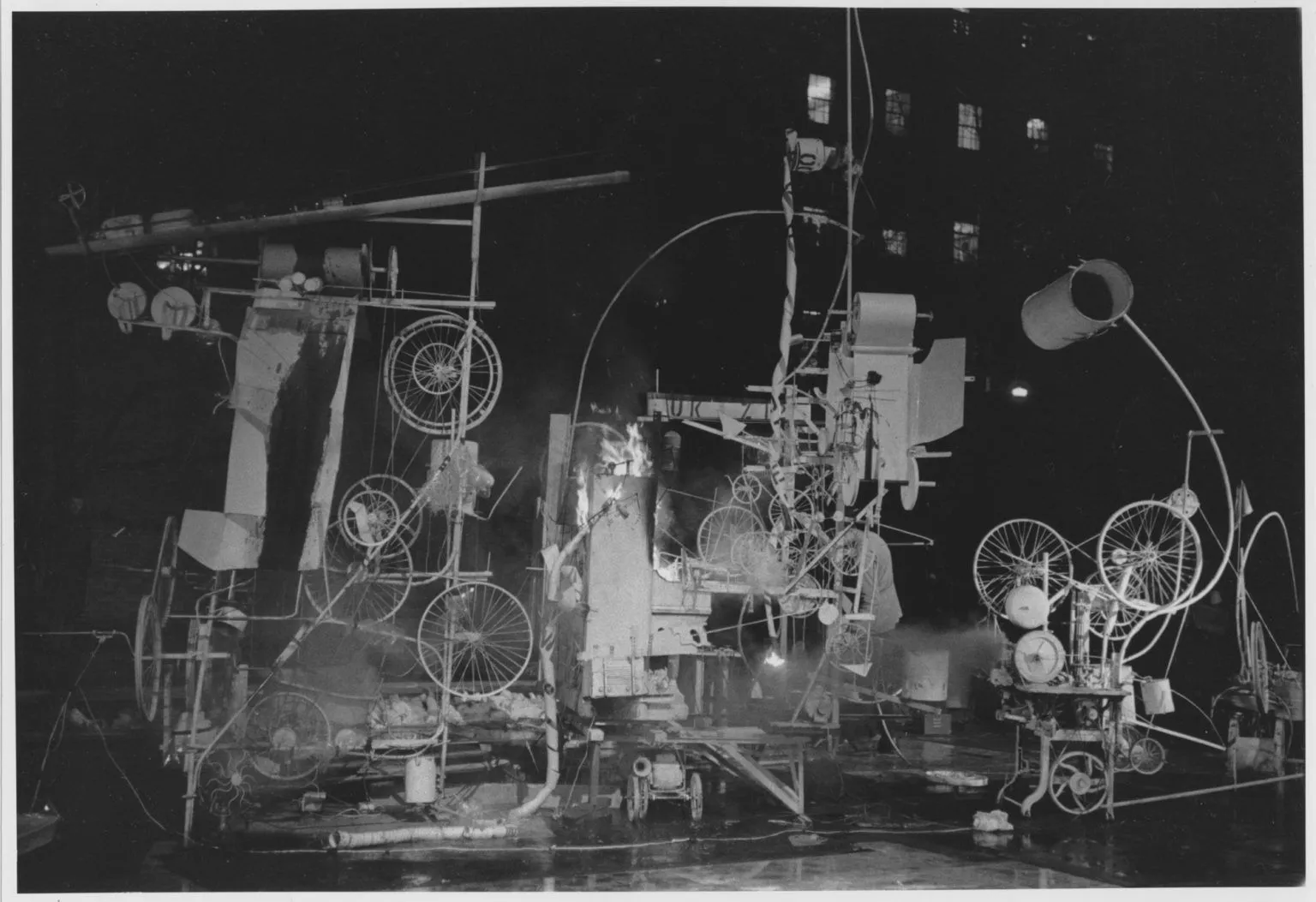
In Casey Reas’ talk on chance operations, one of the most interesting ideas he explores is how randomness can act as a creative form in art. Reas shows how randomness can introduce unpredictability into structured digital systems, giving artificial creations a more natural and organic feel which he stated at the beginning of the video. Hence, made me think about how randomness is used in larger projects, like architectures and so on. For example, the designs of Expo 2020 or the Museum of the Future in Dubai bring together technology and creativity in a way that balances control with randomness, showing how both aspects can work together to create something that feels alive and evolving. Another thought that came to mind was how even small random changes can totally change the result of an algorithm. The “noise” is what keeps the system interesting, as he said without it, it’ll turn homogeneous and basically move in the same direction, which obviously isn’t exciting, and the system pretty much just becomes predictable. However, it also makes me think about things like how much randomness is good before it turns into chaos and when it stops adding to the art and starts taking away from it. One artist, for instance, Jean Tinguely, made “Homage to New York,” a machine that is meant to break itself. Yes, I get the idea of embracing chaos, but this amount of uncertainty makes it harder for me to connect. It’s too random for me to handle, and the lack of structure makes it difficult for me to connect personally with the piece. Still, I can see how some people might connect with Tinguely’s method, enjoying the randomness and how it shows how chaotic life is. In essence, too much chaos makes me feel disconnected, which shows that this type of art might not speak to everyone.
Homage to New York: