The patterns… where have I seen them throughout my life?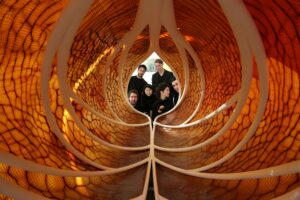
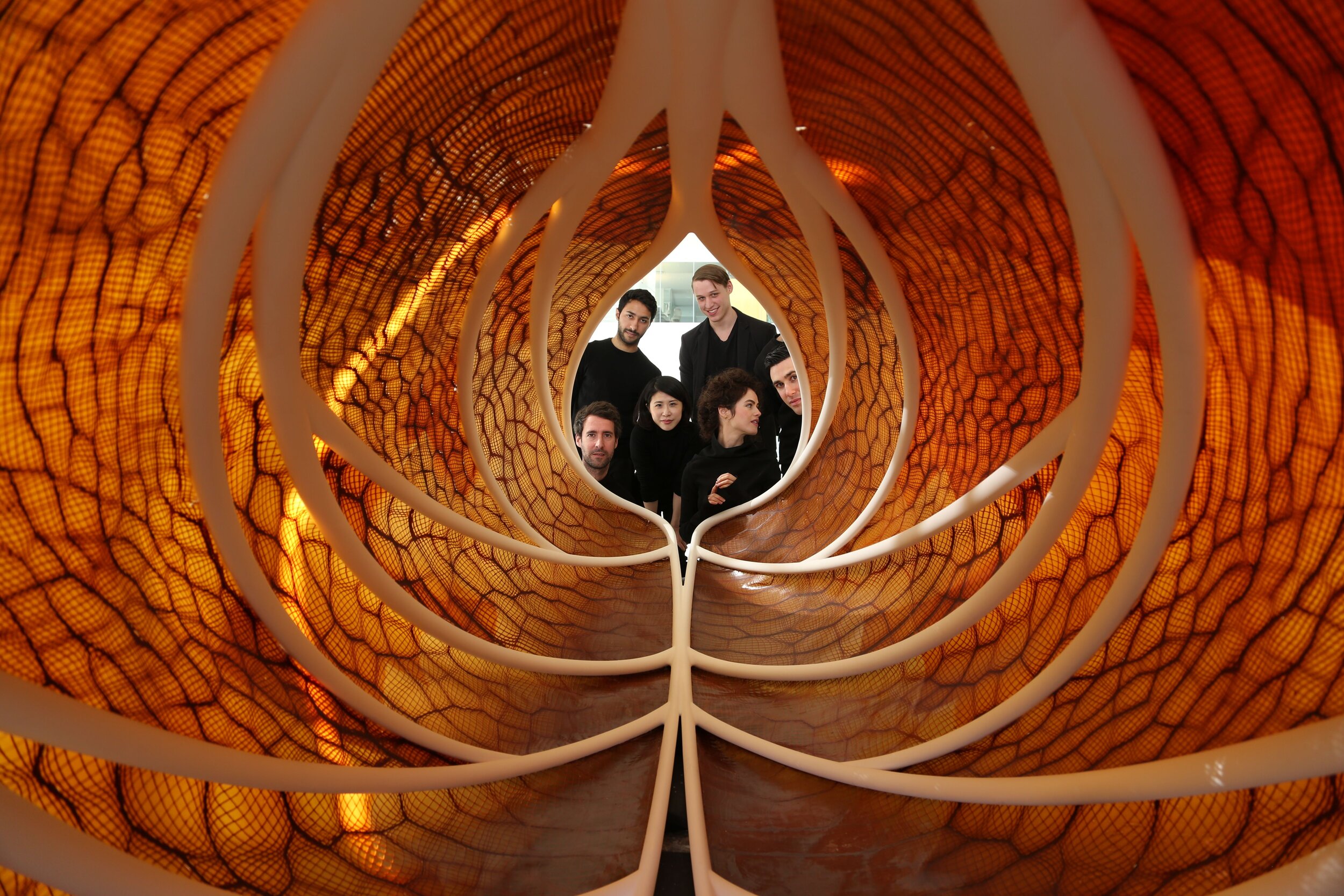
Oh yes, in Prof. Neri Oxman’s bio-inspired 3D printed art pieces. [Source]
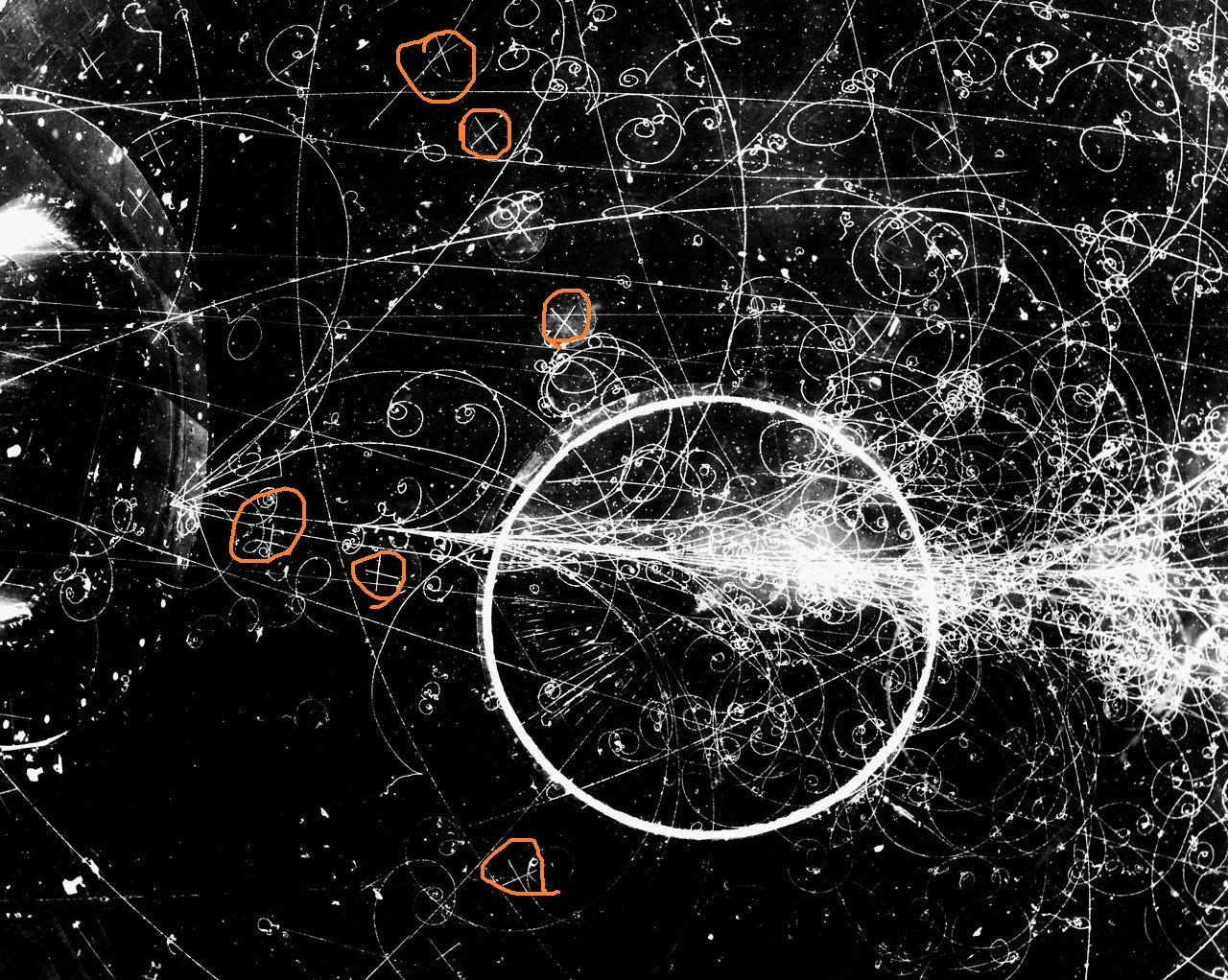
The Alpha particle tracks inside the Bubble Chamber apparatus in a Physics laboratory. [Source]
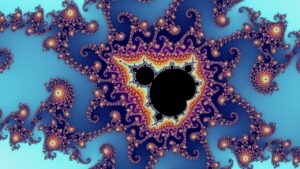
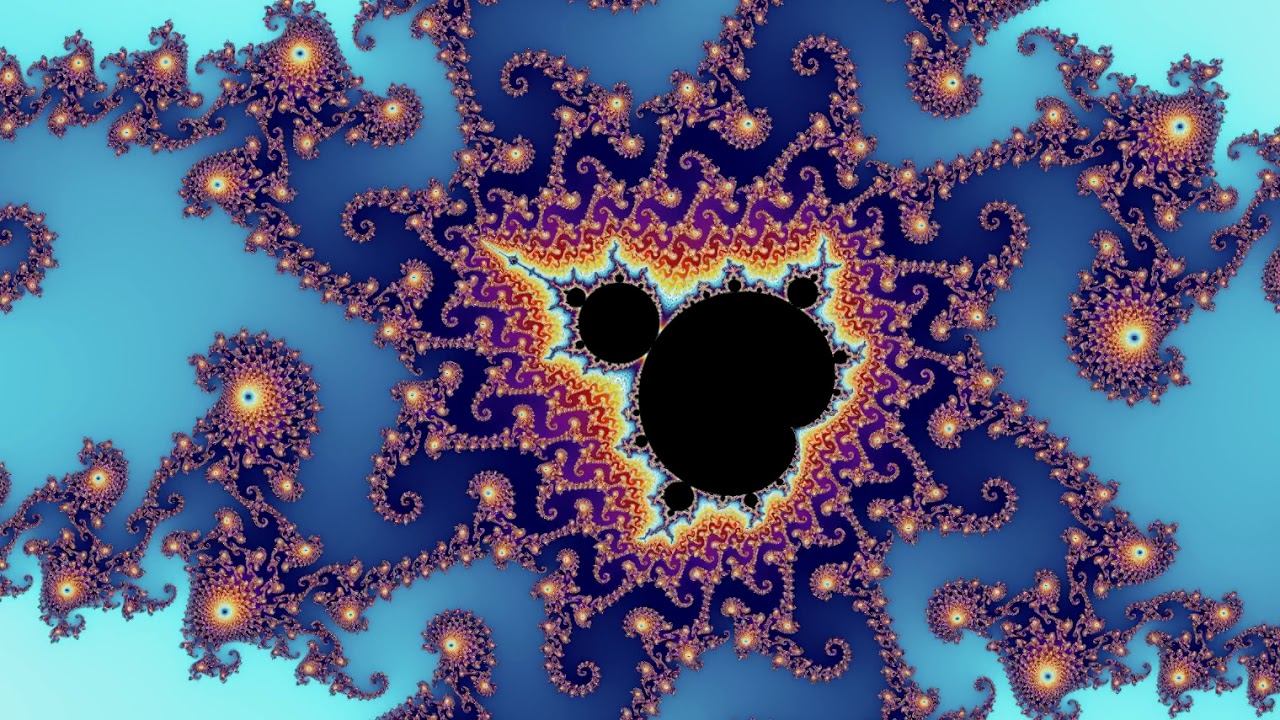
Or the mathematical fractals in the Mandelbrot set [Source].
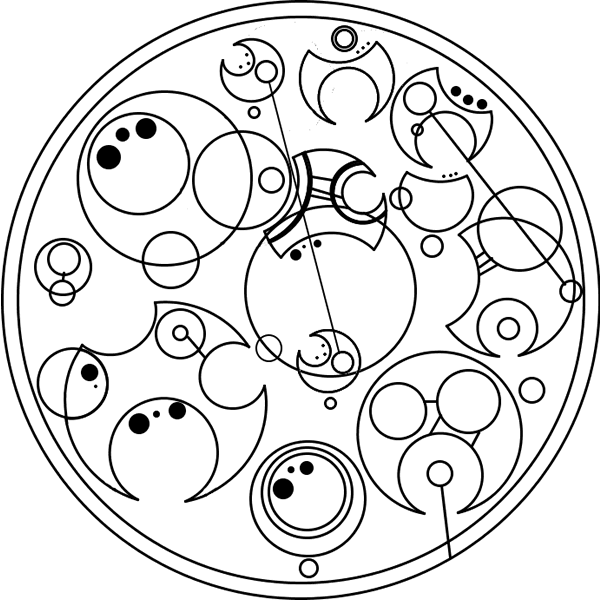
Or Gallifreyan language in Doctor Who TV series [Source].
And now, in Casey Reas’ artworks. The only difference is that the above patterns (probably except Prof.Oxman) are predictable with concrete rules, and Casey’s pieces are purely powered by chaos and randomness.
The Art of Emergence
Then he goes onto mentioning things like artificial life and “emergence”, the properties or behaviors that its individual elements don’t possess, revealing characteristics that only appear when these elements operate together in a large system. Being a big fan of Craig Reynolds’ Boids algorithm,Conway’s Game of Life and Big Hero 6 nanobot swarms, I am not new to this concept, but never have I imagined somebody would have this perfect marriage of genius and laziness to exploit chaos and randomness to automate (I mean evolve) abstract art. With the development GANs and other tools these days, which are just randomness and tweaks back and forth between two algorithms, this is no longer surprising that randomness can give pretty good (sometimes insane) results. But considering this talk given in 2012, this is way ahead of his time.
The Paradox of Planned Randomness in Abstract Art
One thing I like about Casey is how he approaches his plan of attack to exploit randomness in axiom-like little rules. B1 : Move in a straight Line, B7: Deviate from current direction.etc .etc and bam, you get instant feather abstract art. I should also be replicating his workflow in my pieces, defining a bunch of arbitrary rules like LEGO blocks, and putting them together to see what happens.
But to play the devil’s advocate, is it still randomness 🤨🤨? Casey still has rules, and even with pseudo-random number generators, if we have the same seed and same rules, things are not really “random”. I wonder what a truly “random” abstract art would look like? Can we make it rule-free? Or maybe come up with “generative rules” such that the artist does not define the rules, but the rules, just like the art itself is generated at random. This would be a very interesting experiment.
Will such generated rules truly be unique? Or are they just going to be one of the billion permutations of the axioms they were built from? 🤯
Anyway, after 9 minutes into his talking, I saw him visualizing the paths taken by little cars using trails. And I thought, “This is what I need” and implemented trails in my Assignment 2 p5js sketch. Perfection!! At least I have a good takeaway from Casey’s talk.