
Preliminary Concept: Pressure-Based Digital Instrument
For my final project, I plan to create a physically interactive musical instrument using Arduino and p5.js. The idea is to build a simple keyboard-like interface where users can play notes by touching pressure sensors.
Instead of using buttons, I will use Force Sensitive Resistors (FSRs) so that the interaction feels softer and more natural, similar to placing fingers on a piano. Each sensor will represent one note (C, D, E, F, G, A, B, C, including sharps/flats). Below picture will have only 4 FSR406 and 4 FSR402, I will buy them more and also 16 channel analog multiplexer to complete my project soon. 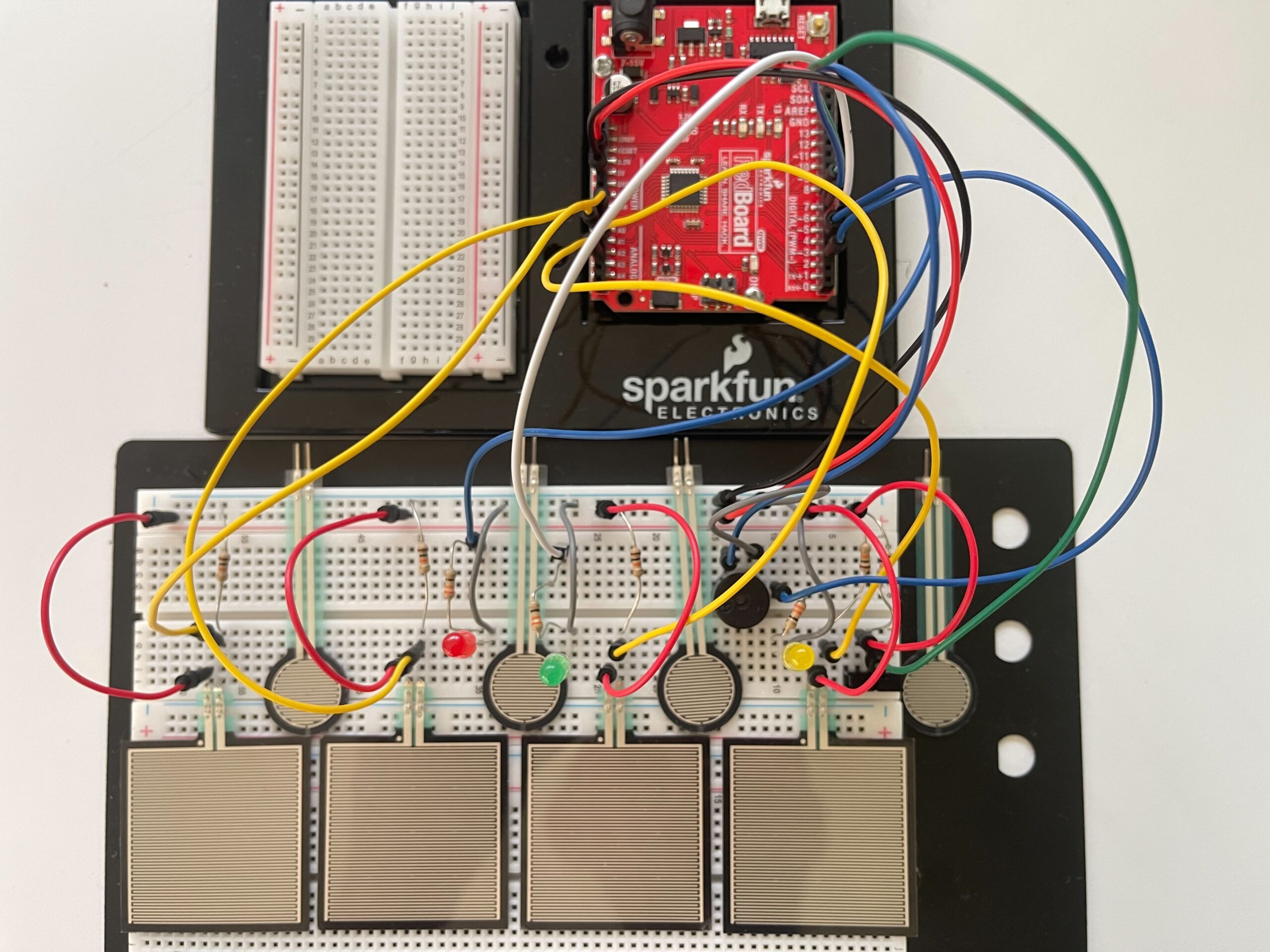
Arduino will read the sensor values and send the data to p5.js through serial communication. In p5, the input will be used to generate sound and simple visual feedback. I will use the computer’s speaker for audio output instead of a buzzer to improve sound quality.
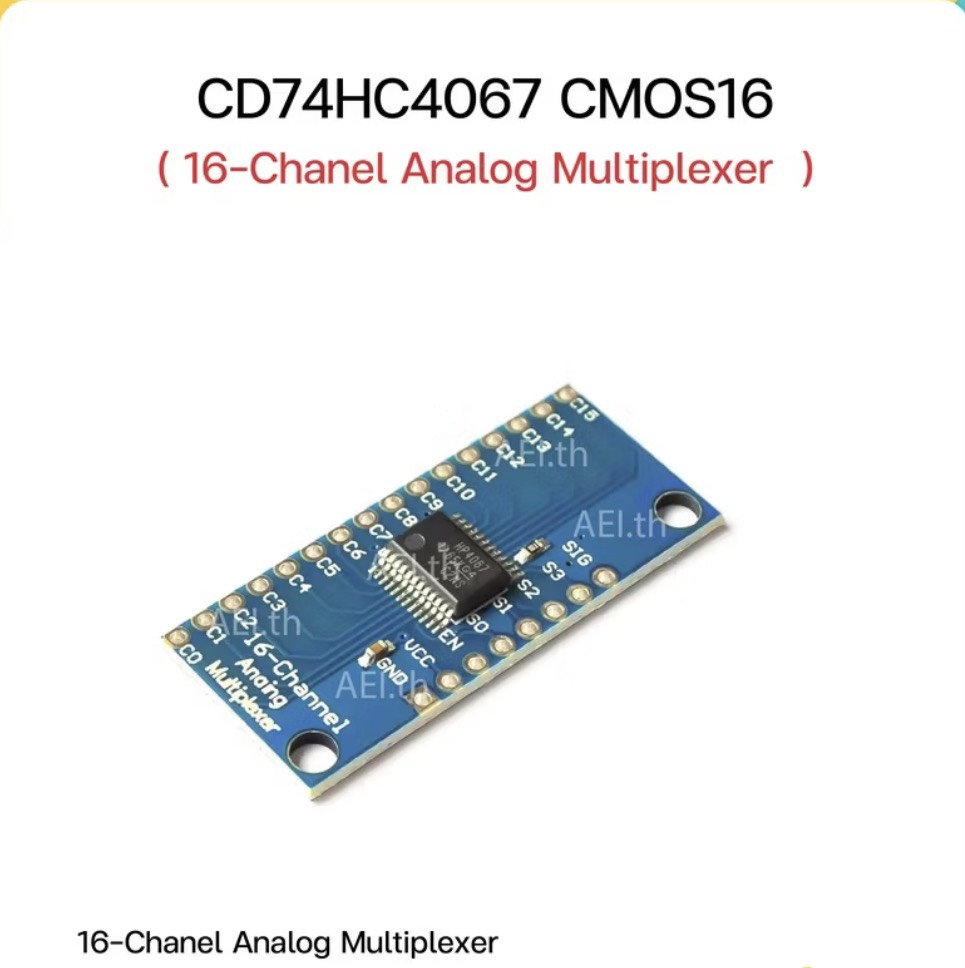
Since I need to use multiple sensors, I will use a CD74HC4067 multiplexer to expand the number of inputs. This allows Arduino to read many FSRs efficiently.
The system will also include a feedback loop. For example, when a note is played, p5 can send a signal back to Arduino to turn on an LED. This creates a simple two-way communication between Arduino and p5.
The goal of this project is to explore how physical touch can be translated into digital sound and visual feedback in a clear and responsive way.
Inspiration
This project is inspired by different types of interactive musical interfaces:
* Digital MIDI controllers and touch-based instruments
* Piano keyboards, especially the idea of soft and responsive touch
* Interactive installations where physical actions directly control sound
* Simple expressive systems that focus on user interaction rather than complexity
I am particularly interested in how small physical gestures, like lightly touching a surface, can create meaningful digital outputs such as sound.
References / Tutorials
Here are some references and tutorials that informed my idea:
* p5.js Sound Library (official reference)
https://p5js.org/reference/#/libraries/p5.sound
* Basic FSR (Force Sensitive Resistor) guide
https://learn.adafruit.com/force-sensitive-resistor-fsr
* Multiplexer (CD74HC4067) explanation
https://learn.sparkfun.com/tutorials/multiplexer-breakout-hookup-guide
Sketch Description
The system will be arranged like a simple keyboard:
* FSR406 → white keys (main notes)
* FSR402 → black keys (sharps/flats)