
Are they able to figure it out? Where do they get confused and why? Do they understand the mapping between the controls and what happens in the experience?
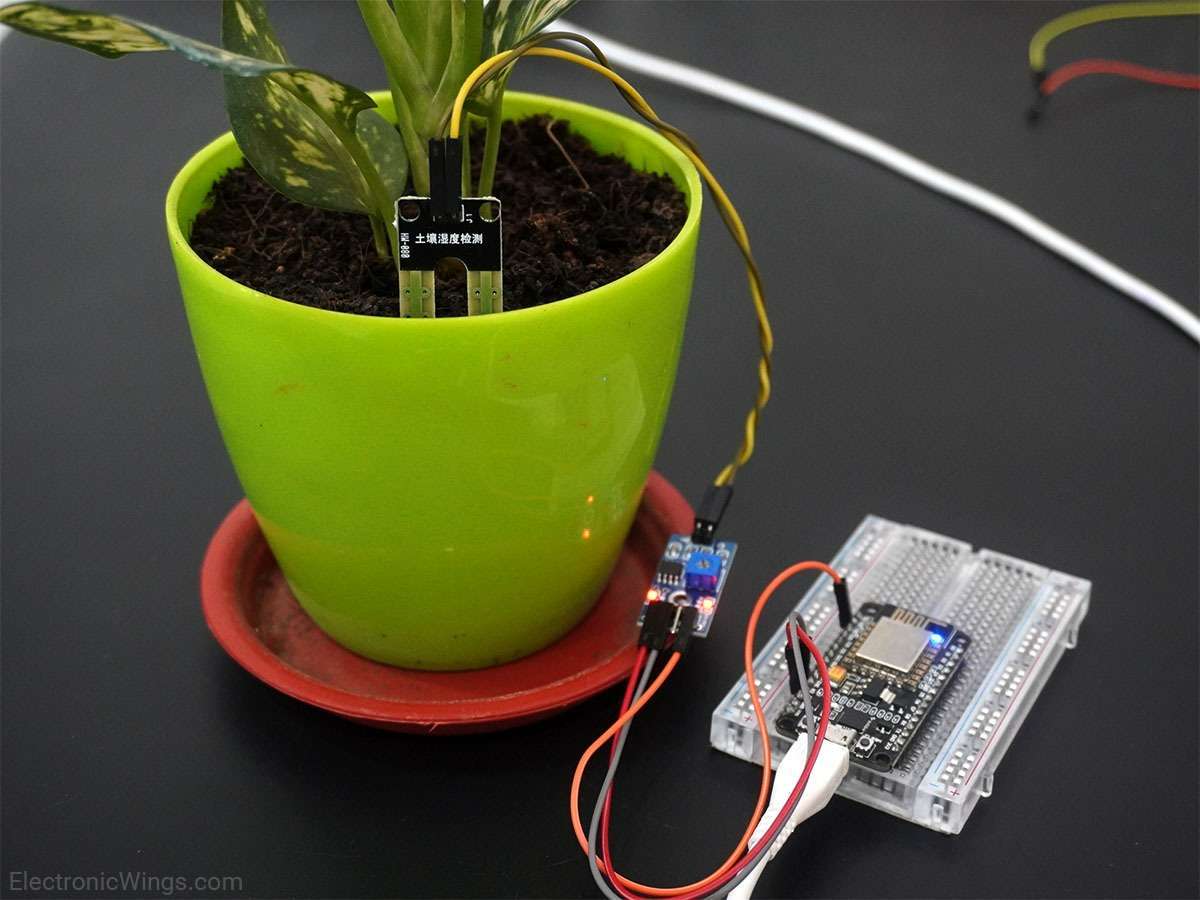
The one thing I did not make very clear is where they should point the light to, which are the light sensors. I think testing this with people that have done IM classes before was not suitable because they knew how each sesnor looked like therefor knew how to trigger them. So the light sensors and water sensors should be intergrated in a way that allows the user to understand what they should do to trigger the sensor.
-
What parts of the experience are working well? What areas could be improved?
I think the overall functionalities of the sensors work well, and the thresholds are defined well. I want to make all the wires connected to the Arduino and bread board sit more neatly because they do get tangled at time. I also want to make sure that the the wooden case around my project has a small hole or opening to let the connection from the laptop to the Arduino.
-
What parts of your project did you feel the need to explain? How could you make these areas more clear to someone that is experiencing your project for the first time?
One part of my project that I needed to explain more clearly was how users should interact with the sensors—specifically, where to point the light for the light sensors and how to activate the water sensor. Because many of the people I tested with had prior IM experience, they already recognized what the sensors looked like and intuitively knew how to trigger them, which made it harder for me to notice confusion. For a first-time user, however, the mapping between their actions and the project’s responses is not immediately obvious. In future iterations, I want to better integrate or label the sensors so that users can naturally understand where to shine the light or where to place the water without requiring external explanation.
DEMO of User Testing:
IMG_8795